
April 24, 2026
Hepatotropic Viruses
Hepatitis A Viral (HAV) infection
- This can be detected in the following samples:
- Feces
- Liver
- All body fluids (serum, other body fluids).
- These samples can be stored at 4 °C, and tissues may be stored at -20 °C.
- Diagnostic tests are:
- Anti-HAV IgM.
- Anti-HAV IgG.
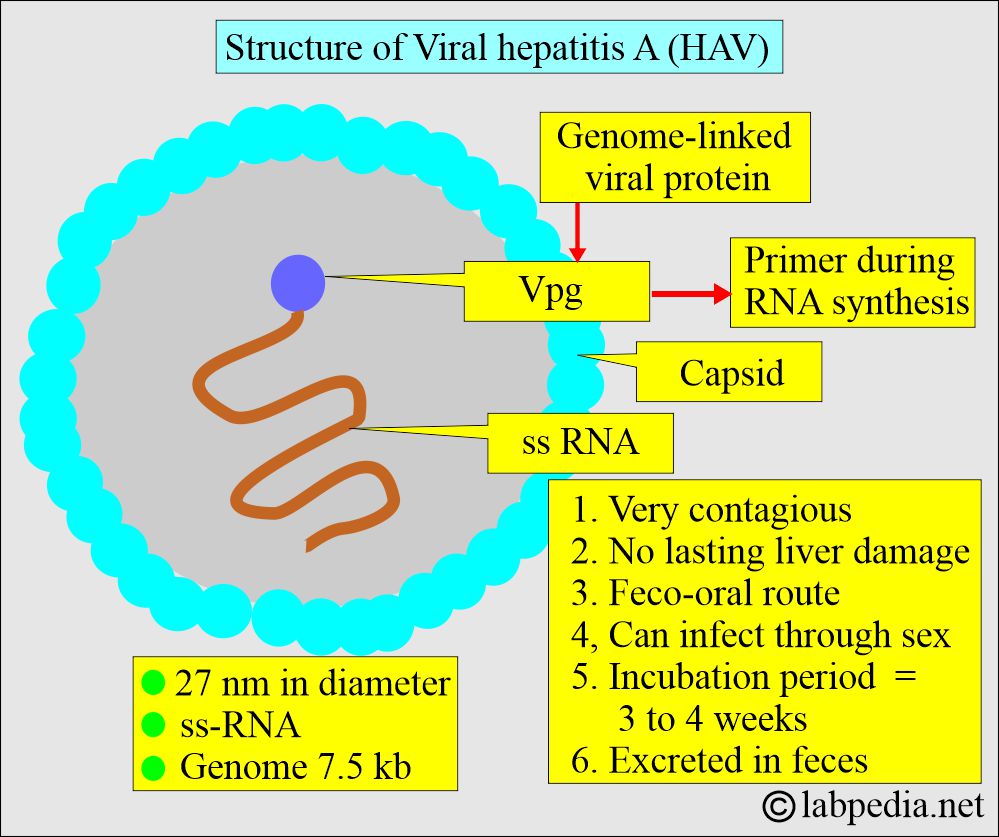
Hepatotropic viruses: Hepatitis A virus (HAV) structure
Hepatitis B viral (HBV) infection
- This virus can be detected in the following samples:
- Serum
- Whole blood
- Liver
- Body fluids
- Store serum and body fluids at 4 °C and store tissue at -20 °C.
- Diagnostic tests are:
- HB surface antigen.
- HB surface- antibody
- HBe antigen.
- HBe antibody.
- HBc-IgM antibody.
- HBc-antibody total (HBc-IgM and IgG).
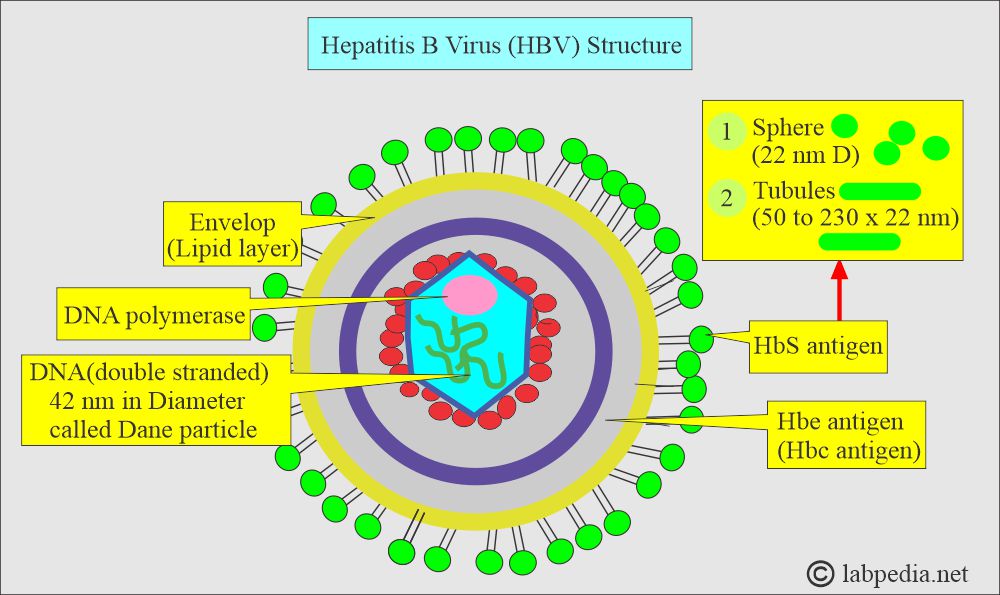
Hepatotropic viruses: Hepatitis B virus (HBV) structure
Hepatitis C viral (HCV) infection
- The virus can be detected in the following samples:
- Whole blood
- Serum
- liver tissue
- Body fluids
- Diagnostic tests are:
- Anti-HCV antibody.
- PCR for HCV antigen.
- Serum, blood, and body fluids can be stored at 4 °C, and liver tissue at -20 °C.
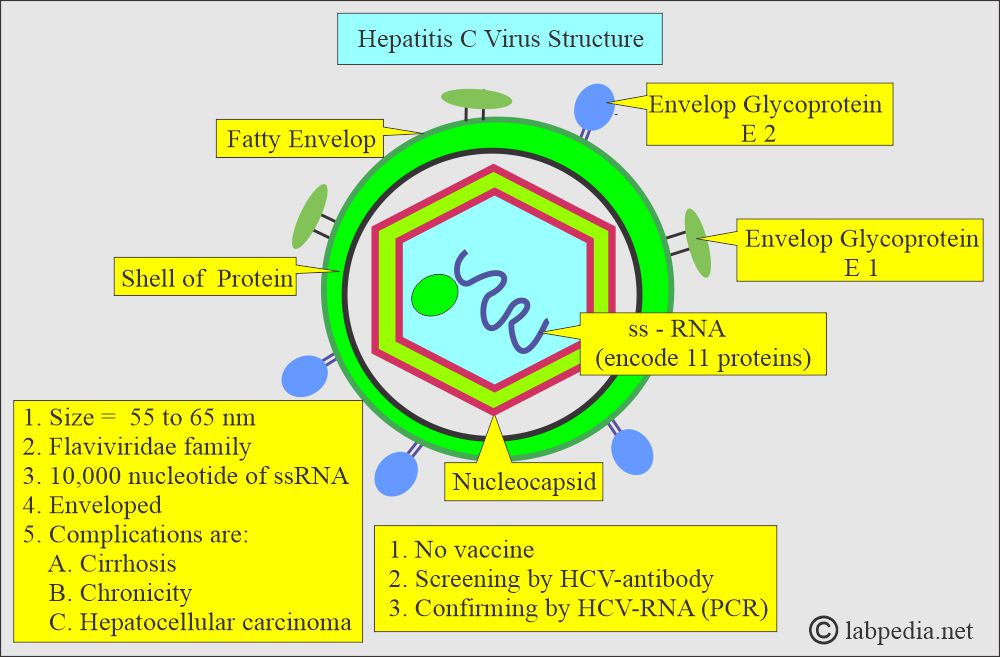
Hepatitis C virus (HCV) structure
Hepatitis Delta Virus (HDV) infection
- The Hepatitis D virus is also called delta hepatitis. It was discovered in 1977.
- A partially defective virus must enter HBV to infect hepatocytes.
- So HBV will be present before the patient develops Hepatitis D infection.
- HBV is needed as a helper to start the infection.
- The Hepatitis D virus can be detected in the following samples:
- Whole blood
- Serum
- Liver tissue
- Diagnostic tests are:
- Anti-D IgM.
- Anti-D IgG.
- Whole blood and serum can be stored at 4 °C, and liver tissues at -20 °C.
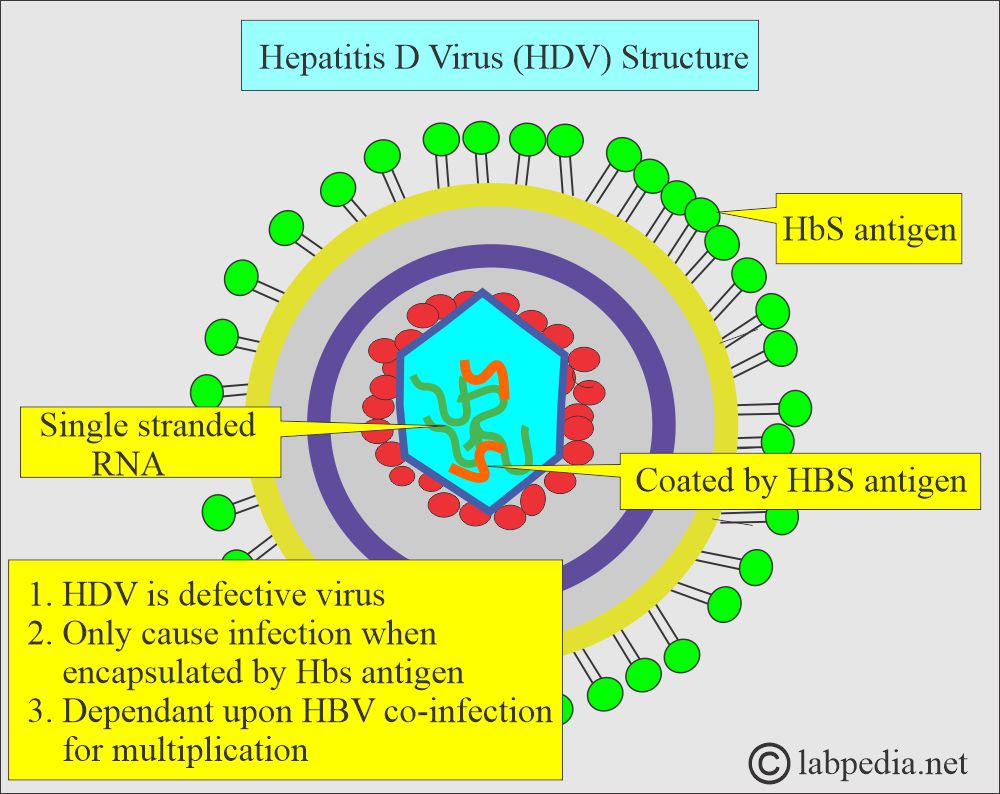
Hepatitis D virus (HDV) structure
Hepatitis E virus (HEV)
- It is the NANB virus, with incubation time, clinical signs and symptoms, and epidemiology similar to HAV infection.
- HEV is thought to be a calicivirus.
- HEV is a non-enveloped, single-stranded RNA virus.
- Till 1994, no serological tests for HEV were available.
- HEV diagnostic tests are:
- HEV antigen identified in hepatocytes.
- HEV can be identified in the stool by immunoelectron microscopy.
- Serum is positive for IgM anti-HEV antibodies, which are short-lived.
- Anti-HEV IgG was also found to appear immediately after IgM.
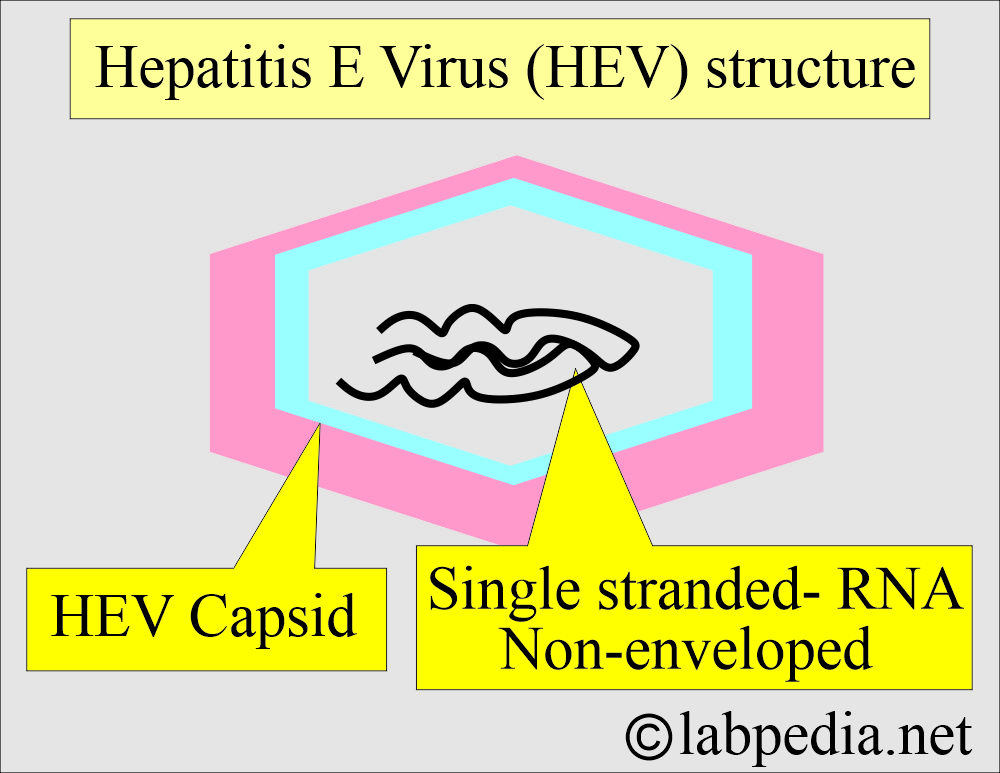
Hepatitis E virus (HEV) structure
Other Viruses
Herpes Simplex (HSV) infection
- Most cases are caused by HSV type 2, and there are significant numbers of HSV type 1.
- This can be diagnosed by:
- Skin biopsy lesion
- Vitreous humor
- Cerebrospinal fluid (CSF)
- Serum
- Diagnostic tests are:
- Cultural is the gold standard,
- HSV antigen 1.
- HSV antigen 2.
- Stored body fluids at 4 °C and tissue at -20 °C.
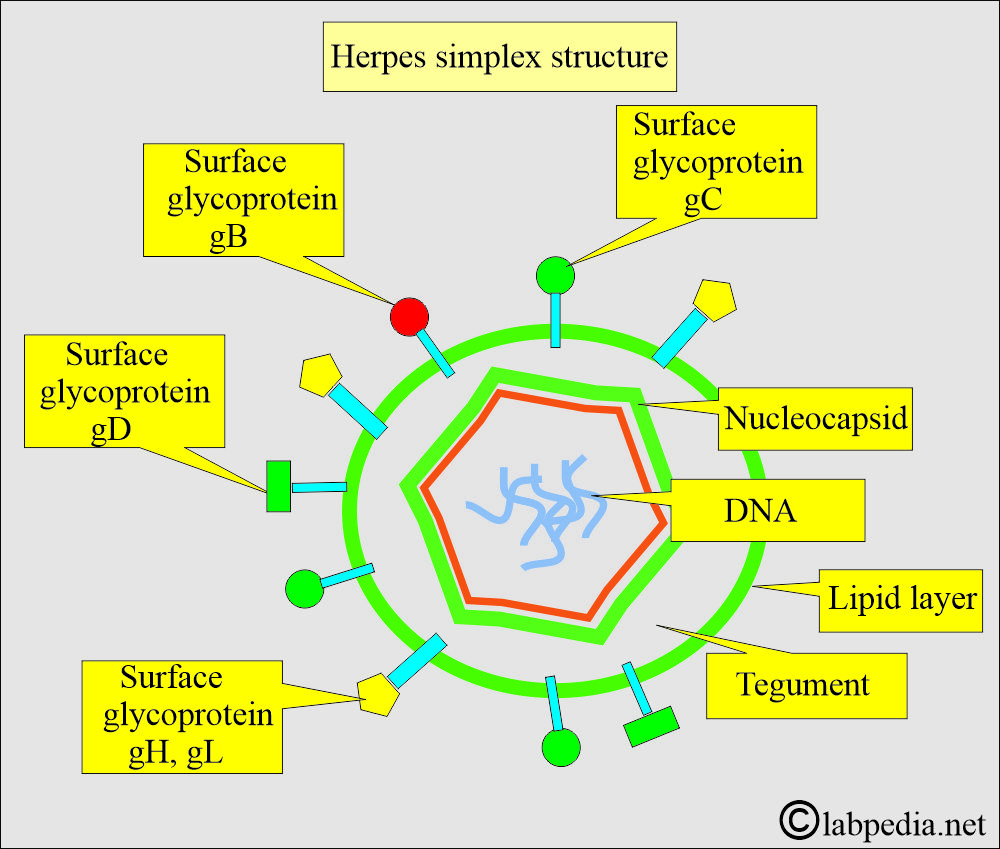
Herpes Simplex Virus (HSV) structure
Cytomegalovirus (CMV) infection
- CMV is a part of the herpesvirus group.
- CMV infection is widespread, as serological evidence of infection varies from 30% to >90% of the population.
- There is a lower incidence in the USA and Western Europe.
- CMV infection is seen in:
- Fetal and early childhood.
- Young adults and late adolescents.
- This can be diagnosed from:
- Whole blood
- Serum
- Urine
- Tissues
- Diagnostic tests:
- Culture is the most sensitive method.
- CMV-IgM indicates the most recent infection.
- CMV-IgG indicates past infection.
- Store all fluids at 4 °C and tissues at -20 °C.
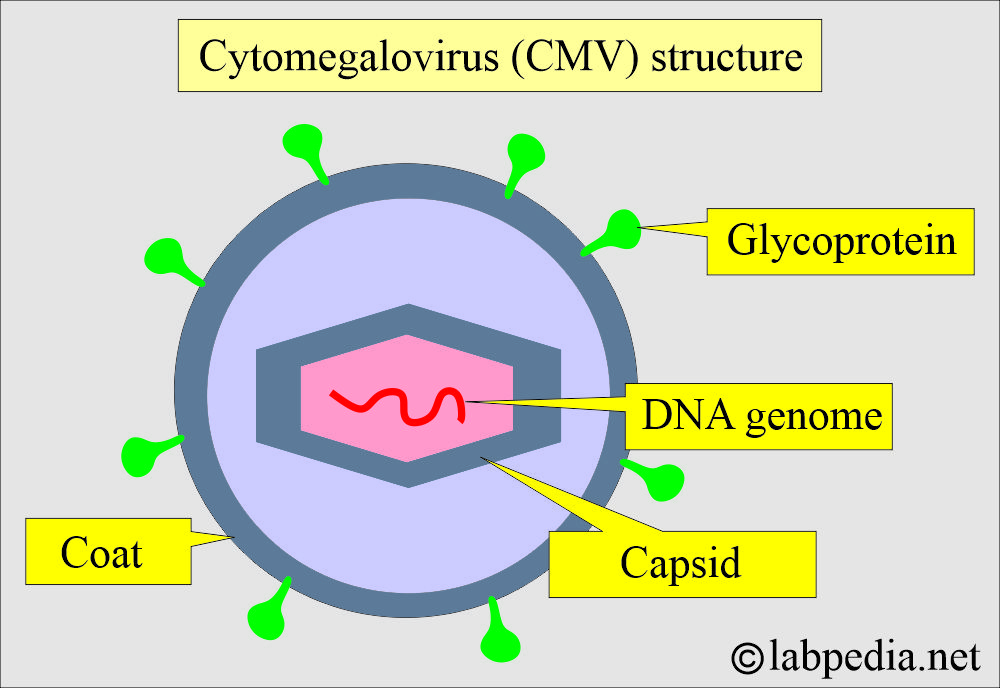
Cytomegalovirus (CMV) structure

Cytomegalovirus (CMV) inclusion
Epstein-Barr Virus (EBV) infection
- EBV is a member of the herpes virus.
- This can be diagnosed with the following samples:
- Whole blood
- Tissue
- saliva
- Diagnostic tests are:
- Monospot heterophilic agglutination test.
- Viral capsid antigen-antibody test for IgM and IgG.
- EBV nuclear antigen (EBNA).
- EBNA-IgG
- EA-D
- Store the fluid at 4 °C and the tissue at -20 °C.
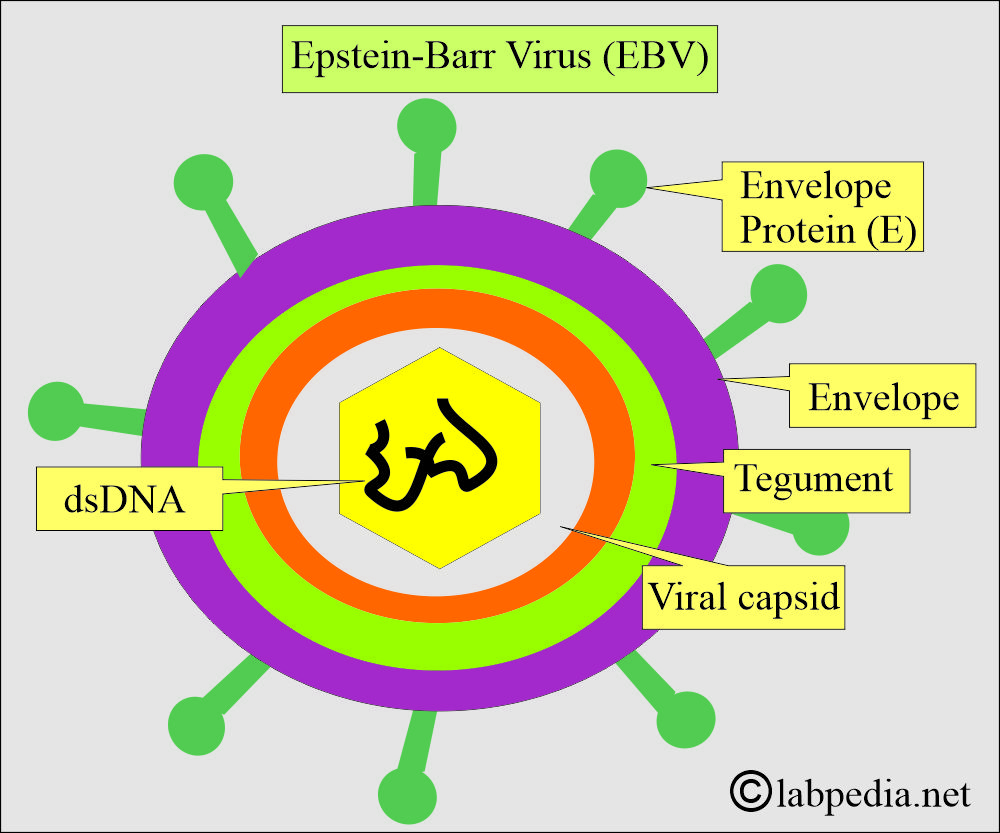
Epstein-Barr Virus (EBV) structure
Human Immunodeficiency Virus (HIV-1)
- This can be diagnosed by:
- Whole blood
- urine
- Body fluids
- Diagnostic tests are:
- HIV antibody test by ELIZA.
- Western blot test.
- p24 antigen capture assay. This will detect before the seroconversion and also assess the progression of AIDS.
- Oral fluid kits for detecting HIV antibodies, such as Orasure, Orapette, and Omni Sal, are available.
- Urine for the HIV antibody test.
- Store fluids at 4 °C and tissue at -20 °C.
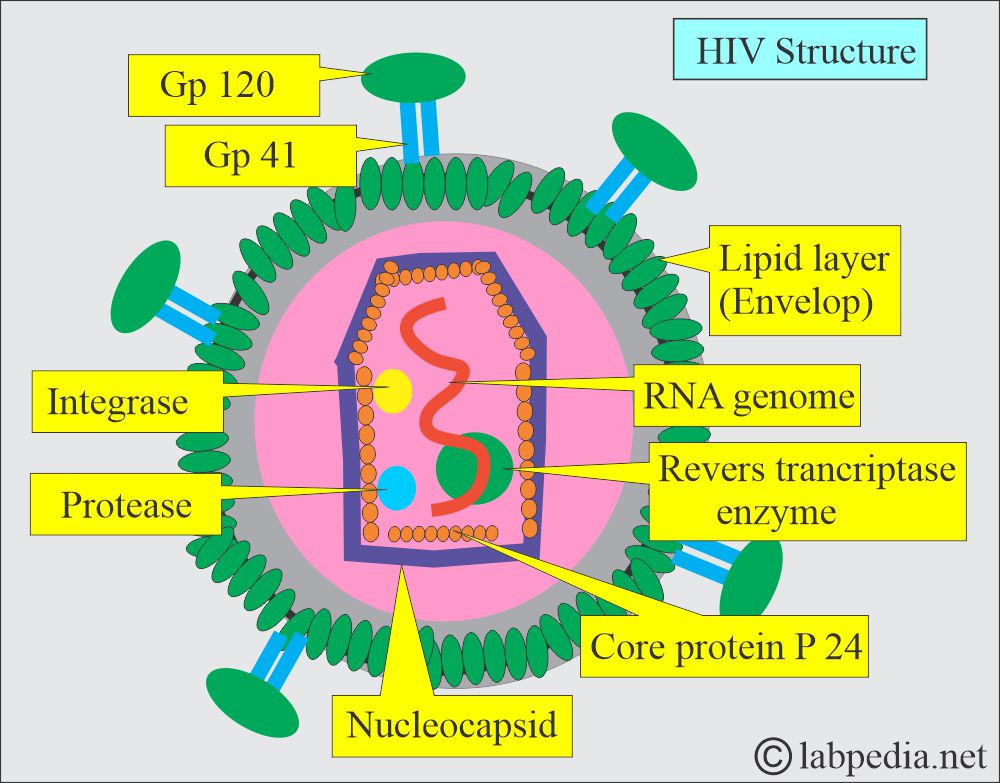
Human immunodeficiency virus (HIV) structure
Human papillomavirus (HPV)
- More than 50 human papillomavirus strains have been reported.
- Most clinical manifestations are:
- Warts on the skin.
- HPV-1 is mostly associated with warts on the sole of the foot.
- Condylomata are papillary lesions in the genital area.
- HPV-2 is a nonplanter skin lesion.
- HPV-6 and II are found mostly in benign condylomatous lesions and low-grade cervical dysplasia (CIN I and II).
- HPV 16 and 18 are found in 80% to 95% of the patients with high-grade cervical dysplasia or carcinoma in situ (CIN III), and are also associated with a few cases of carcinoma of the penis.
- This can be diagnosed from:
- Cervical smears.
- Biopsy or scrapings.
- Tissue from the anogenital area.
- Diagnostic tests are:
- Colposcopy and Vinegar acetic acid will make the affected area appear white.
- A Pap smear will reveal abnormalities in the cells and identify virus-infected cells.
- Biopsy.
- HPV cervical test.
- DNA test (PCR, Southern blot hybridization).
- Store the tissue at -20 °C.
- It can be prevented by vaccination. It should be given before sexual activity.
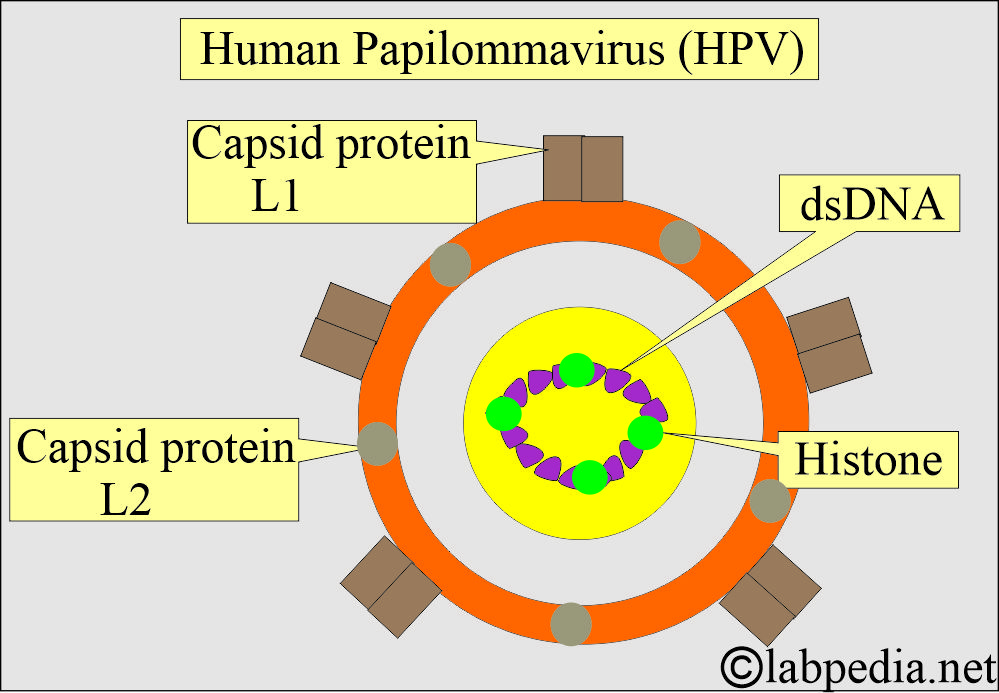
Human Papillomavirus (HPV) Structure
Rotavirus Infection
- Rotavirus is an RNA virus in the Reoviridae family.
- It can infect birds as well as humans.
- This is the most common cause of infectious diarrhea in infants and young children.
- It is quite common in the nursery and daycares.
- The patient will have diarrhea, fever, and vomiting.
- Peak season in the USA is winter, but it is equally distributed in tropical areas.
- Its mode of spread is the feco-oral route.
- How will you do the diagnosis?
- This can be diagnosed from:
- Feces (isolate the nucleic acid)
- This can be stored at 4 °C.
- Diagnostic tests are:
- Stool for rotavirus antigen.
- ELIZA
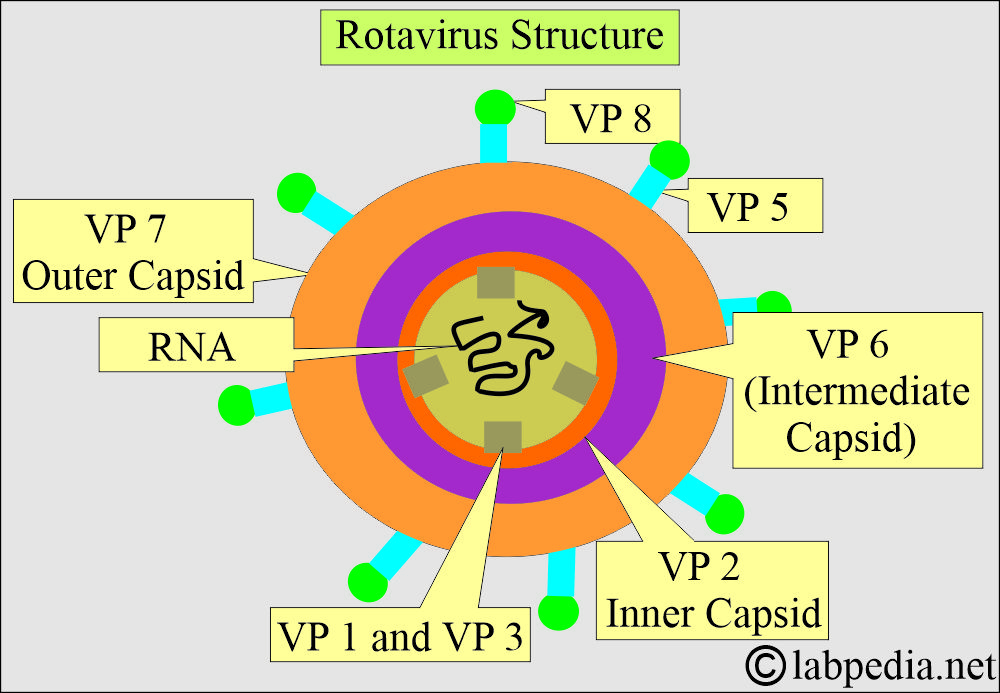
Rotavirus Structure
Varicella-Zoster Virus
- Primary infection is Varicella (Chicken Pox).
- Reactivation leads to Herpes Zoster (Shingles).
- Varicella-Zoster virus is a member of the Herpes group.
- It spreads through direct contact via skin lesions or via droplet inhalation.
- The incubation period is about 14 days, and ranges from 9 to 21 days.
- The primary infection is Varicella (Chickenpox).
- The period of skin rash lasts about 4 to 6 days.
- Complications include:
- Pneumonia.
- Encephalitis.
- Reye’s syndrome.
- Varicella during pregnancy may infect the fetus in around 5% to 10% of cases.
- This can be diagnosed from:
- Whole blood.
- Skin Lesions.
- Diagnostic tests are:
- Usually, this is diagnosed by the clinician as a typical vesicular dermal lesion.
- Culture of the virus.
- PCR from the lesion.
- Serologic tests can be performed using fluorescent antibody staining.
- Zanck test, smear of the Varicella-Zoster lesion.
- Store fluids at 4 °C and tissues at -20 °C.